Twin Cities Commercial Roofing

When it comes to the roof of your commercial structure, it’s safe to say that you want something durable and long-lasting. At Triton Exteriors we are committed to providing both commercial and residential roofing solutions in the Twin Cities, that surpass the expectations of our clients.


With over 23 years of experience as a commercial roofing company, clients like you can depend on us for work that is cost-effective and energy efficient. We consistently deliver services like this by staying updated on the latest innovations in commercial roofing, including the most impressive products and materials.

Types of Commercial Roofing

Triton Exteriors offers a range of reliable and high-performance commercial roofing solutions designed to protect your property and extend its lifespan. Explore our commercial roofing types to find the right fit for your business needs.
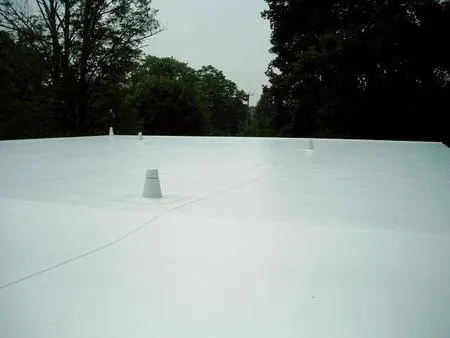
TPO & PVC Roof
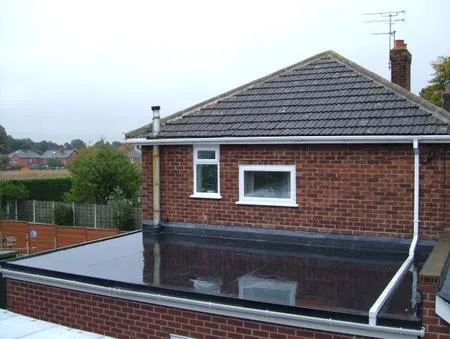
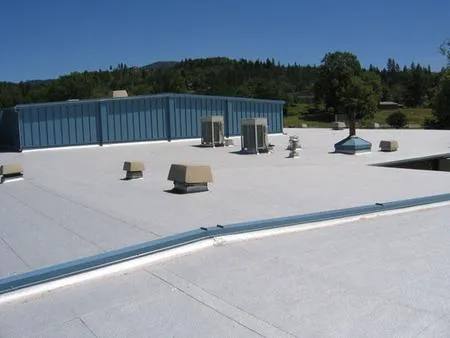
TPO (thermoplastic polyolefin) and PVC (polyvinyl chloride) are single-ply thermoplastic roofing membranes used on commercial low-slope roofs. In Minnesota, TPO is one of the mainstream options for Twin Cities commercial buildings because it offers reflective performance, heat-welded seams, and broad low-slope applicability.

PVC is a more specialized option, often chosen for buildings where grease, chemicals, or fire-resistance requirements are part of the roofing decision. For both systems, proper seam welding, drainage, flashing, and cold-weather installation practices are especially important in Minnesota’s snow, freeze-thaw, and rooftop-equipment conditions.

EPDM Roofing

EPDM (ethylene propylene diene monomer) is a single-ply synthetic rubber roofing membrane commonly used on Minnesota commercial low-slope roofs. It has a long track record for resisting UV exposure, ozone, weathering, and everyday wear. Its flexibility makes it a practical fit for freeze-thaw cycles, cold-weather movement, snow loads, ideal for getting through Minnesota’s harsh winters!

EPDM can also be easier to repair and maintain than some other commercial roof membranes because damaged areas can often be patched or addressed without replacing large sections of the roof.

Modified Bitumen Roof

Modified bitumen is a rolled, layered asphalt membrane designed for commercial low-slope roofs. It is a strong fit for roofs that experience human activity whether it be, foot traffic, frequent service visits, rooftop equipment, or tie-ins to older built-up roofing systems. This is because its reinforced layers create a tougher walking surface that holds up well against punctures, scuffs, and repeated maintenance access.

In Minnesota, commercial roofs often have HVAC units, vents, service paths, and snow-related drainage concerns. Modified bitumen’s puncture and tear resistance makes it a practical option for these heavier-use areas.

Compared to other types of roofs like TPO or EPDM, modified bitumen can offer added toughness against punctures and wear, but the installation method matters. Torch-applied or hot-applied systems can bring extra fire-safety, odor, and cold-weather considerations, and the roof still depends on proper seams, drainage, and maintenance.

Built-Up Roof

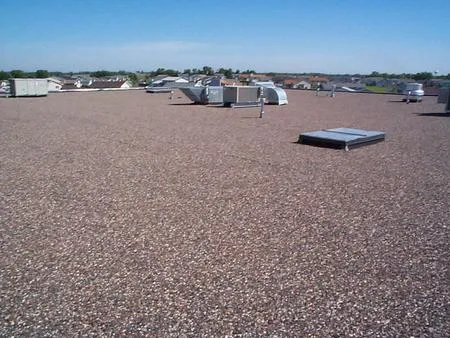
Built-up roofing, often called BUR, is one of the older commercial low-slope roofing systems and is still found on many existing Minnesota buildings. It is made from several layers of roofing fabric and asphalt, creating a thick, redundant waterproofing system that can stand up well to punctures and weathering.

Compared with newer single-ply options like TPO or EPDM, BUR is heavier, slower to install, and more disruptive, so it is more often encountered during repairs, reroofs, or replacements on older commercial properties than chosen as the default for new roof systems.

Metal Roofing

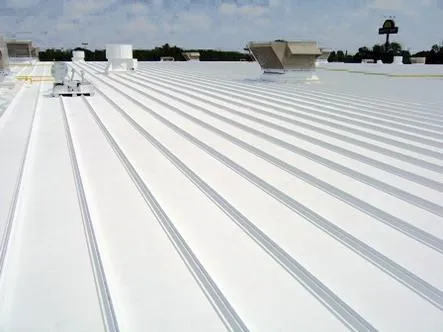
Metal roofs are systems in which standing seams, R-panels, or corrugated metal panels are mechanically fastened to existing structure points. Metal roof provide architects, building designers, and owners with a variety of choices ranging from the type of metal to dozens of color options. Because of its excellent strength, durability, and fire resistance, metal roofs are the rising star of the energy-efficient and sustainable building movement.

Commercial metal roofing is most often used on steep-slope commercial buildings, industrial properties, warehouses, and architectural roof sections rather than as the default choice for flat roofs. In Minnesota, the strengths for metal roofing include: fire resistance, wind performance, and ability to shed snow can make it a durable long-term option.

Compared with many commercial roof systems, metal roofing usually costs more upfront and requires careful detailing around fasteners, seams, insulation, condensation control, and thermal movement. It can also dent cosmetically from large hail, though even with dents, metal roofing often remains functional.

SPRAY POLYURETHANE FOAM ROOF

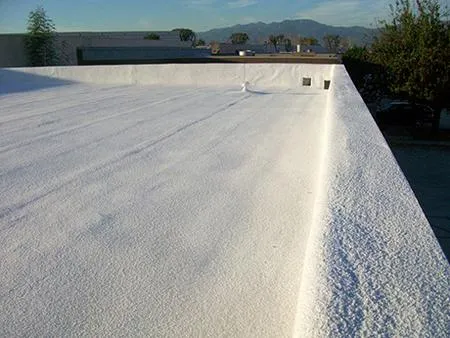
Spray polyurethane foam, or SPF, is a sprayed-on roofing system that expands into a continuous layer of insulation and waterproofing before being covered with a protective coating. In Minnesota, SPF is better understood as a niche commercial retrofit option rather than a default roof system. It can be useful on certain existing roofs with irregular shapes, hard-to-flash areas, or insulation needs, but it is highly sensitive to weather during installation and must be protected and re-coated over time. Compared with many commercial roof systems, SPF depends heavily on careful application conditions, coating maintenance, and protection from overspray.

SPF can be useful for select commercial roof retrofits in Minnesota, especially where a seamless insulated surface helps solve irregular roof shapes or difficult details. However, as mentioned above, it is a niche option that depends heavily on proper weather conditions during installation and long-term coating maintenance.

Why Businesses Choose Us

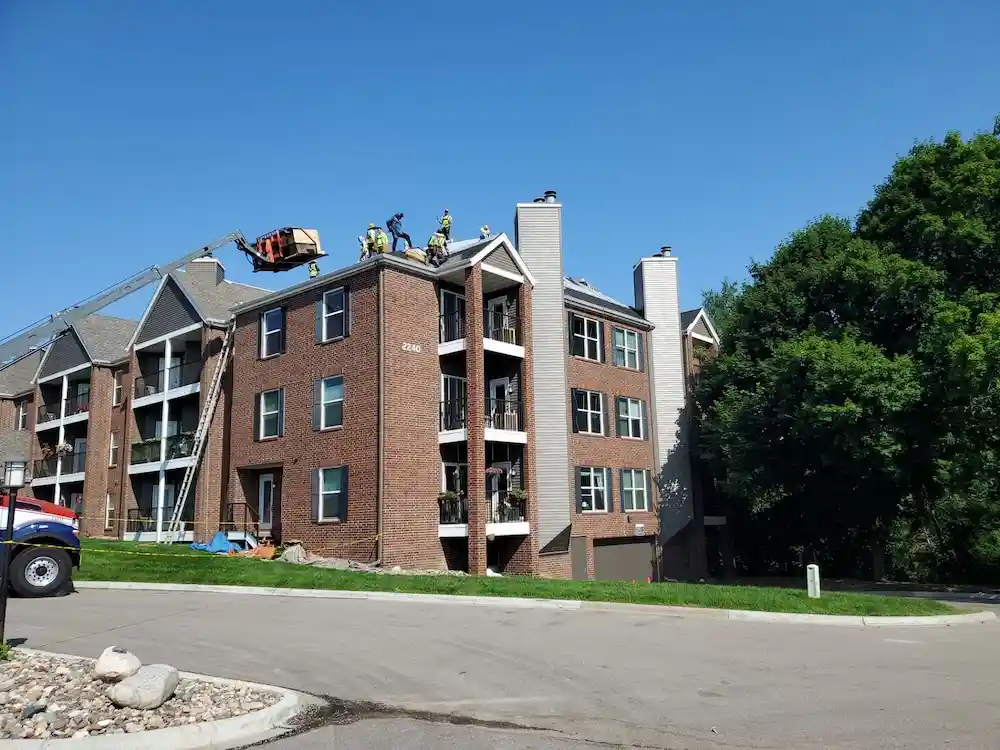
From apartment complexes to office buildings, Triton Exteriors delivers reliable, high-quality exterior services tailored to commercial properties. We understand the importance of minimizing downtime, maintaining safety standards, and ensuring every project meets the highest level of craftsmanship. Trust our experienced team to handle your commercial roofing or siding project efficiently and professionally. Contact us today for a consultation and keep your property protected and looking its best.

Commercial Projects
Bald man talking on the phone

Have questions?

Have any roofing questions for your business? Please give us a call! 

Commercial roofing is a lot more complex than residential roofing but luckily, you don’t have to be an expert. That’s what we’re here for! Give us a call, let us know your predicament, and we can help you to decide the best course of action for your business.

Frequently Asked Questions

Which commercial roofing is most common for businesses in Minnesota?

For low-slope commercial roofs in Minnesota, TPO and EPDM are the most common mainstream options. TPO is often chosen for reflective performance and heat-welded seams, while EPDM is valued for its flexibility, repairability, and long track record in cold climates.

Which commercial roofing is best for harsh Minnesota winters?

There is no single best roof for every building, but EPDM is one of the strongest fits for cold-weather performance because it remains flexible through freeze-thaw cycles and cold-weather movement. TPO, modified bitumen, and metal roofing can also perform well when properly designed and installed.

What is the most expensive type of commercial roofing?

Commercial metal roofing and specialty PVC systems are often among the more expensive options, depending on the building. Cost depends heavily on roof size, slope, tear-off needs, insulation, drainage, rooftop equipment, and installation details.

What is the most affordable type of commercial roofing?

For many low-slope commercial buildings, EPDM and TPO are often among the more budget-friendly mainstream options. The most affordable system still depends on the existing roof, building use, insulation needs, and whether the project is a repair, recover, or full replacement.

Which commercial roof is best for roofs with heavy foot traffic?

Modified bitumen is often a strong option for roofs with frequent maintenance access, rooftop HVAC units, vents, service paths, or other heavier-use areas. Its reinforced layers can hold up well against punctures, scuffs, and repeated foot traffic.

Is spray polyurethane foam roofing recommended in Minnesota?

SPF can make sense in select commercial retrofit situations, especially where a seamless insulated surface helps with irregular roof shapes or difficult details. However, it is not a mainstream Minnesota commercial roofing choice because it is sensitive to installation weather, requires ongoing protective coating maintenance, and has a narrower fit than more common low-slope roof systems.

How long does commercial roof installation typically take?

Most commercial roofing projects take a few days to a few weeks, depending on roof size, tear-off, weather, insulation, drainage work, rooftop equipment, and business access needs. Larger or more complex buildings can take longer, especially during Minnesota's colder months.

Protect your Business

  • 23+ years of commercial roofing experience
  • Expertise in TPO, EPDM, PVC, and metal systems
  • Fully licensed and insured for commercial projects
  • On-site project management and safety compliance
  • Minimal disruption to your operations
  • Industry-leading warranties on materials and workmanship

three adults conversing with each other holding coffee
Schedule a free estimate!

Project Manager and Sales

Billy Cranston IV

I oversee projects from start to finish, ensuring everything stays on track and runs smoothly. I also work directly with clients through sales. I understand your needs and help you find the right solutions. I love making sure our clients feel supported every step of the way.