
Insurance Claims
Needing to file an insurance claim for roofing or exterior damage? Triton Exteriors can help you every step of the way. Whether it’s hail, wind, or winter storm damage, we can assist you to get your property fully repaired! Give us a call to discuss the details.
Twin Cities Insurance Claims process for Exterior Damage
- Important: Be sure a Triton Exteriors representative is on site when the adjuster makes their initial visit.
Making An Insurance Claim For Exterior Damage
Step 1: Schedule a Free Property Inspection
Step 2: Document the Damage
Step 3: Prevent Further Damage
Step 4: File the Claim
Step 5: Meet With the Adjuster
Step 6: Complete Repairs and Finalize Payment
Types Of Exterior Insurance Claims
Winter Storm Damage
Storm damage claims can feel like a lot to deal with at once, especially when you’re also trying to protect your property from further damage. A clear process can make things much easier. Here is a simple breakdown of how exterior insurance claims often move forward, from the first inspection all the way through repairs.
Hail And Wind Damage
Gutter Damage
Siding Damage
Commercial Exterior Damage
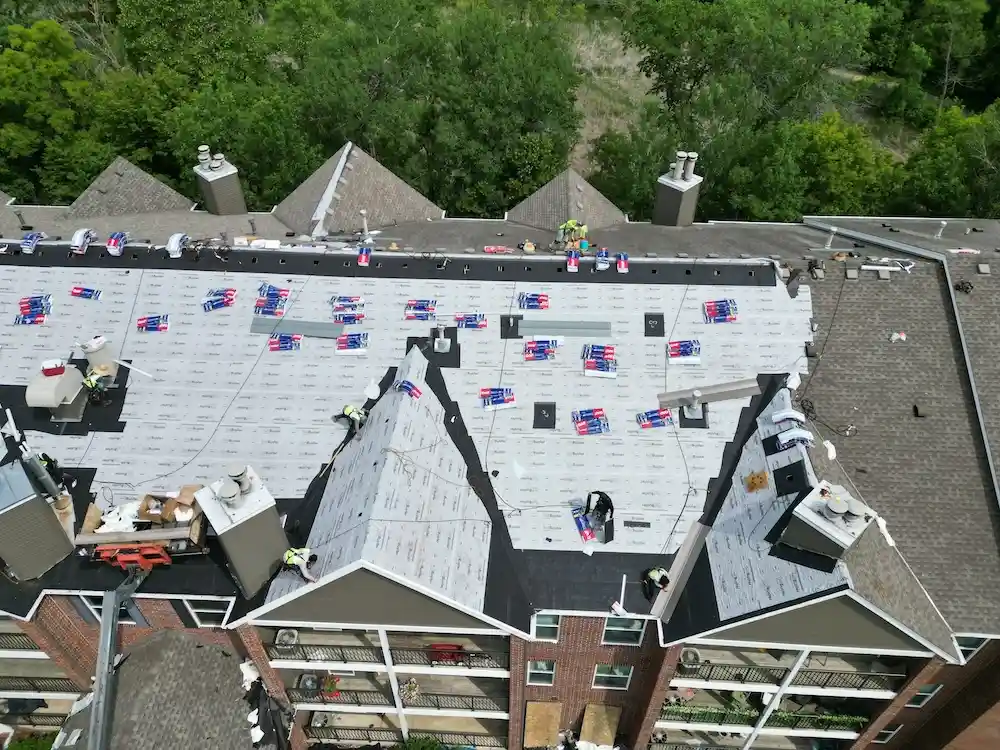
The overall insurance claim process is often similar for commercial exterior damage, but the scope can be more complex since business owners may be dealing with larger roof systems, more extensive gutter/drainage components; all of this on top of needing to keep normal business hours during repairs. Proper documentation, a clear scope of work, and timely coordination can make a big difference when commercial storm damage is involved.

Have questions?
If you have any questions at all give us a call! Triton Exteriors can help you understand the process, inspect the damage, and move forward with a clear plan so your property can be repaired properly.
Frequently Asked Questions
What roof damage actually qualifies for an insurance claim in Minnesota?
Roof damage is more likely to qualify when it comes from a sudden storm-related event such as hail, wind, falling debris, or storm-created leaks. Damage that is aesthetic or tied to age, wear and tear, or poor maintenance is much less likely to be covered.
What siding damage is usually covered after a hail or wind storm?
Claims for siding repair and/or replacement often involve cracks, punctures, broken panels, loosened sections, or impact damage caused by hail, wind, or debris. Coverage still depends on the policy and whether the insurer considers the damage functional rather than only cosmetic.
What damage is usually denied as wear and tear or maintenance?
Insurance usually does not cover long-term deterioration such as aging shingles, gradual granule loss, old leaks, rotted materials, or damage tied to poor upkeep. In most cases, the problem needs to be connected to a sudden covered event rather than a condition that developed over time.
How do I know whether I need a repair or a full replacement?
That usually depends on how widespread the damage is, whether the material still performs properly, and whether matching materials are available. Smaller isolated damage may support a repair, while broader storm damage or matching issues may push the claim toward replacement.
Give us a call at (763) 746-7474 and we can come out and give our professional assessment.
How long does it take for a roof or siding claim to be approved?
Timelines vary case-to-case but in Minnesota, insurers are generally expected to acknowledge receipt of a claim within 10 business days. The full review and approval can take longer depending on storm volume, documentation, and claim complexity.
Should I call a contractor before I call insurance?
Many property owners start with an inspection so they can better understand the damage before filing. That's why we recommend giving us a call at (763) 746-7474 so we can help you identify visible storm-related issues. At the end of the daythe insurer still decides what is covered under the policy.
Can I make temporary repairs before the adjuster arrives?
Yes, temporary steps to prevent further damage are okay, such as using a tarp or protecting exposed areas. However, be sure to document the damage first. Avoid major permanent repairs including throwing materials away until the insurer has a chance to inspect.
What should I photograph or save for the claim file?
Take clear photos of roof, siding, gutter, flashing, and interior water damage, along with anything else that helps show the condition of the property after the storm. It also helps to save receipts for temporary repairs and keep notes about when the storm happened and when you first noticed the damage.
What is the difference between ACV and RCV?
In insurance terms, ACV means actual cash value, which usually reflects depreciation. RCV means replacement cost value, which may allow for a larger final payment after the work is completed and the required documentation is turned in, depending on the policy.
What if the insurance company says the damage is only cosmetic?
Some policies limit coverage for cosmetic damage, especially when the material still functions as a water barrier. If there is a disagreement, better photos, contractor documentation, or a closer review of the policy language may help clarify whether the damage is only cosmetic or actually affects performance.
What if my shingles or siding are discontinued and will not match?
Matching can become a major issue when the original material is discontinued or heavily weathered. Whether this leads to a larger replacement scope often depends on your policies language, the facts of the claim, and whether a reasonable match is available.
What if more damage is found during the repair?
That can happen, especially once damaged materials are removed and hidden issues become visible. In those cases, additional photos, contractor documentation, and a supplemental request may help support the added scope of work.