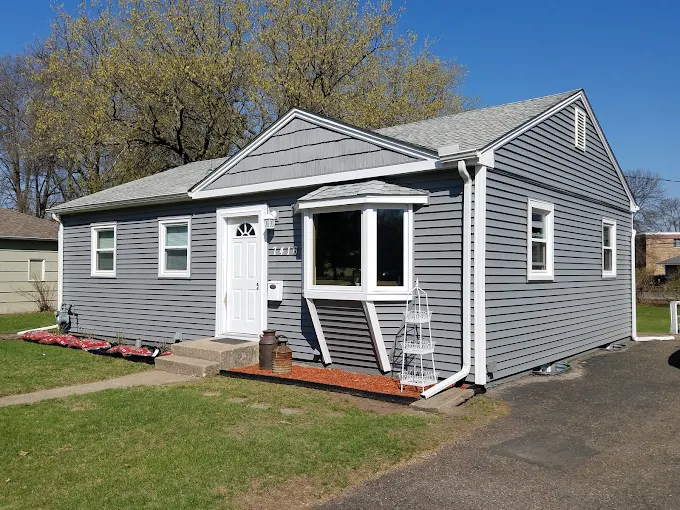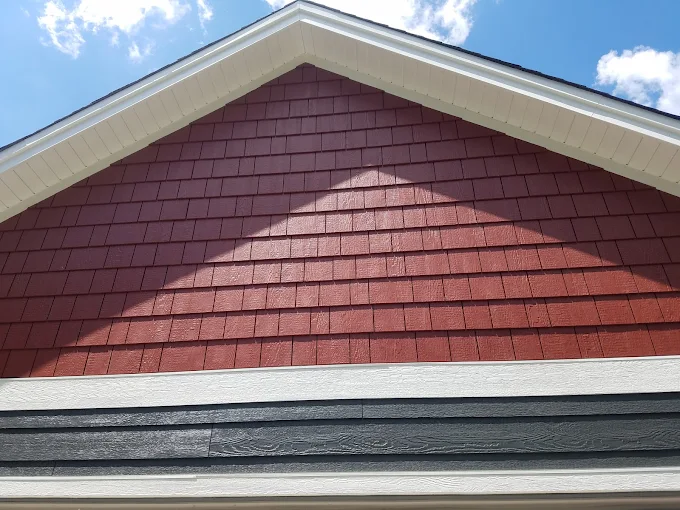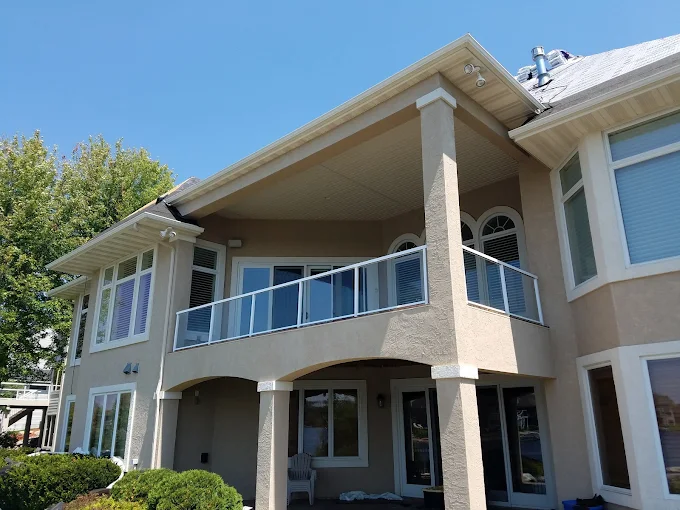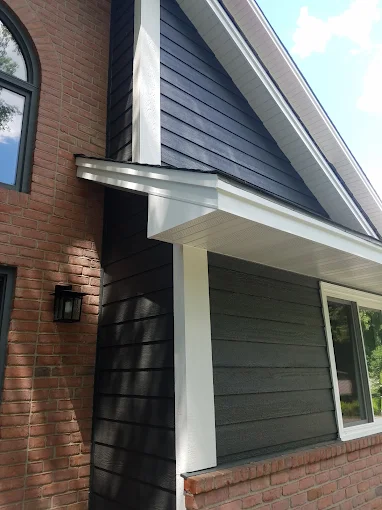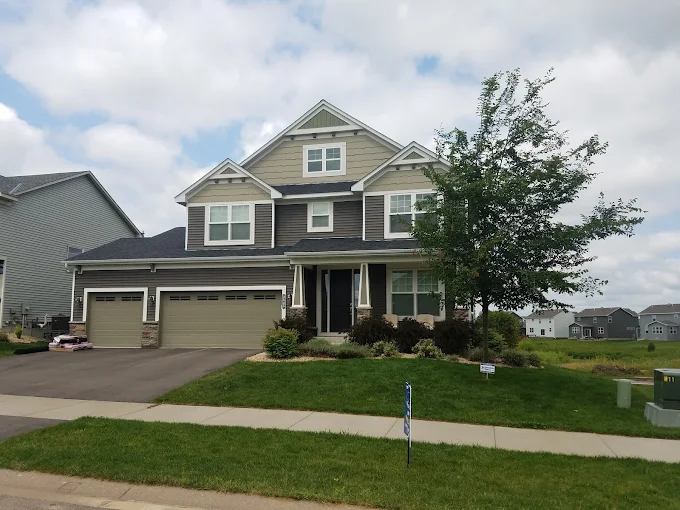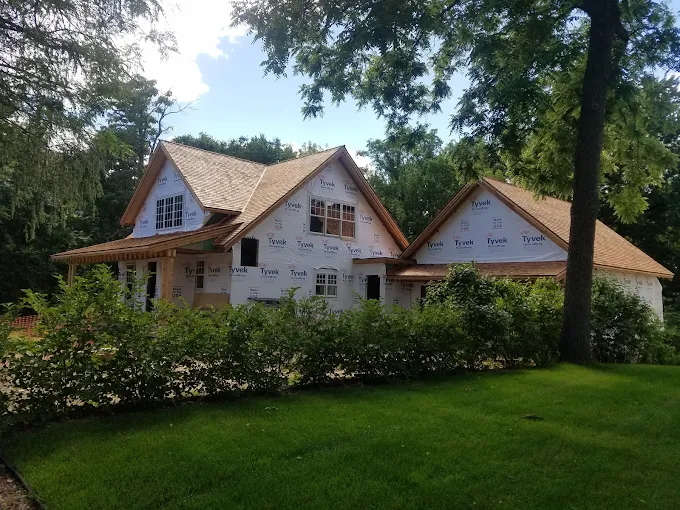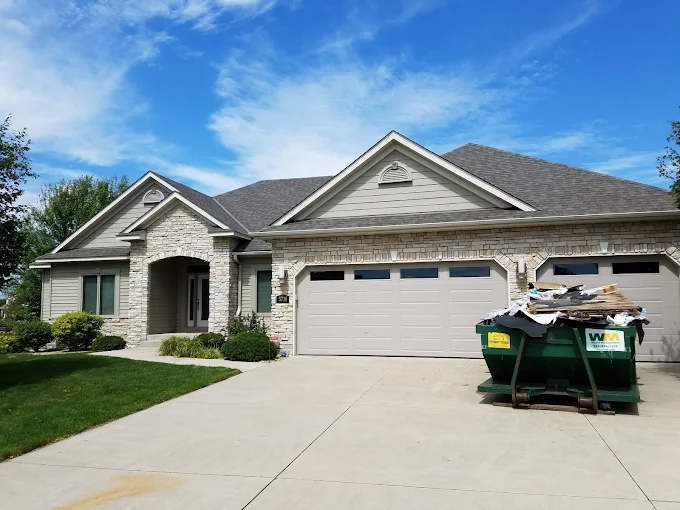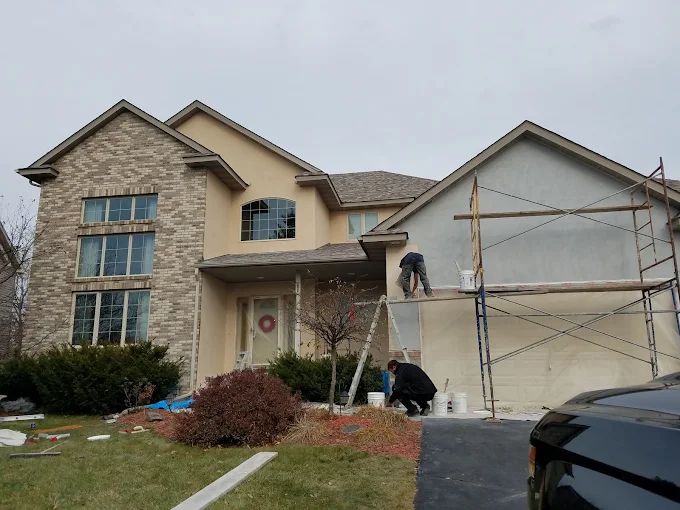
Twin Cities Residential Siding
Triton Siding Services
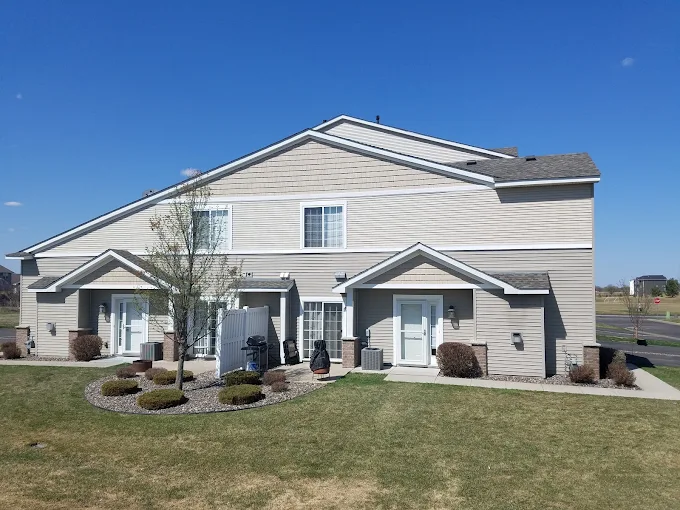
At Triton Exteriors, we believe your siding should do more than just look good, it should protect your home, improve efficiency, and stand the test of time. For over 23 years, we’ve provided both residential and commercial siding services throughout the Twin Cities.
Enhance your home with durable, high-quality siding solutions built for our state’s toughest weather conditions. Whether you’re looking give your home a fresh new look, repair storm damage, or completely transform your exterior, our expert team will guide you through every step, from material selection to final installation. We offer a wide variety of options including vinyl, steel, fiber cement, wood, and LP smartside.
As a locally owned and family-run company, we take pride in combining craftsmanship, clear communication, and care on every project. When you choose Triton Exteriors, you’re choosing trusted professionals who treat your home like their own.
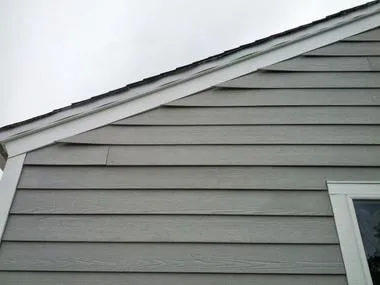
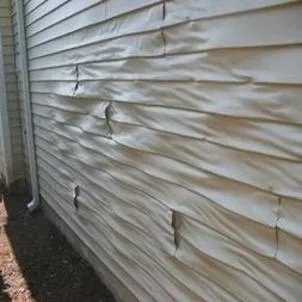
Signs to replace your siding
Types of Residential Siding
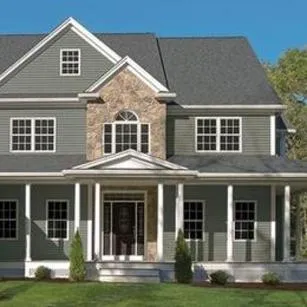
Vinyl Siding
Fiber Cement Siding
LP SmartSide Siding
Call us today for an estimate
Your home’s siding is more than just curb appeal, it’s the first line of defense against harsh weather by keeping your walls, foundation, and interior safe and comfortable year-round.
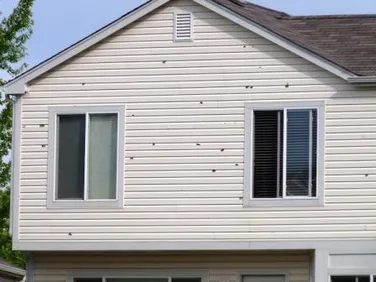
Over time, siding can crack, wear, or even start to leak, potentially leading to costly repairs if left unchecked. Replacing or upgrading your siding now not only protects your home but also enhances its beauty and energy efficiency.
Don’t wait until small issues become big problems, call Triton Exteriors today for a free estimate and ensure your home is protected and looking its best.
Frequently Asked Questions
What is the difference between vinyl siding and fiber cement siding?
Vinyl siding is usually the more budget-friendly, lower-maintenance option, which makes it appealing for homeowners who want a cost-effective exterior upgrade. Fiber cement siding is often chosen by homeowners who want a more substantial, premium-looking material with strong durability, but it does cost more and requires more labor to install. For many Minnesota homes, the right choice comes down to your budget, your design goals, and how much importance you place on long-term performance.
What siding is best for Minnesota homes?
There is no single best siding for every Minnesota home because the right choice depends on your budget, maintenance expectations, style preferences, and how your home is exposed to weather. Vinyl, fiber cement, and LP SmartSide can all be good residential siding options when they are installed correctly. In Minnesota, storm resistance in every season is especially important. You need siding that can withstand hail, wind, moisture, and repeated freeze-thaw cycles.
Which siding holds up best in harsh Minnesota winters?
Fiber cement and engineered wood products like LP SmartSide are often considered strong options for Minnesota winters because they are commonly chosen for durability and long-term performance. Vinyl siding can still be a good option for many homes, but it may become more brittle in very cold weather and can be more vulnerable to hail damage. No matter which material you choose, proper installation, flashing, and water management details are just as important as the siding itself.
Is LP SmartSide a good option for residential siding?
Yes, LP SmartSide can be a very good residential siding option for homeowners who want the look of wood with a more modern, lower-maintenance profile. It is often considered by homeowners who want strong curb appeal and a balance between appearance and durability. As with any engineered wood product, long-term performance depends heavily on proper installation, especially at joints, cut edges, and clearances.
How do I know if my siding needs repair or replacement?
Small areas of damage, isolated moisture staining, or a few loose panels may be repairable if the underlying wall system is still in good condition. Full replacement becomes more likely when there is widespread damage, repeated leaks, wet sheathing, rotting materials, storm damage across multiple elevations, or clear signs that the siding and water-management details are failing together.
Give us a call for a professional inspection. This is usually the best way to tell whether a targeted repair will solve the problem or if replacement makes more sense. If insurnace needs to be involved, we can also walk you through the insurance claims process.
Why is there moisture or mold behind my siding?
Moisture or mold behind siding is usually a water-management problem rather than proof that the siding material itself failed. Common causes include missing or poorly integrated water-resistive barriers, flashing defects, roof-to-wall water entry, clearance issues near grade, or other installation problems that let water get behind the exterior. If moisture has been present for a while, the wall assembly may need repair along with the siding, which is why it is important to inspect the full area instead of only the visible surface.